SNV-901: Metabolic Host Defense for Infectious Disease
An Investigational Host-Directed Metabolic Adjunct: Designed to Increase
Antibiotic Susceptibility
via Metabolic Context Control
Senovia Biosciences, Inc.
Scientific Brief | February 2026
48.9M
Sepsis Cases/Year
(Rudd 2020)
1.27M
Direct AMR Deaths
(Murray
2022)
282M
Malaria Cases/Year
(WHO 2024)
2.0M
QALYs Saved/Year
(WHO/NICE
Model)
BOTTOM LINE UP FRONT
The Problem: The "Antibiotic Commons" is
collapsing. With 1.27M direct AMR deaths annually and a projected $100 Trillion
cost by 2050, the current strategy of inventing expensive new antibiotics ($2B+ cost) cannot
keep pace with bacterial evolution.
The Solution: SNV-901 is an investigational
host-directed metabolic adjunct intended to increase antibiotic susceptibility in selected
Gram-negative infections. The hypothesis: bacteria are "locked" against current drugs by their membrane
defenses. SNV-901 is designed to
modulate the host environment to permeabilize the pathogen, potentially restoring
antibiotic efficacy.
Key Findings:
- Mechanism Hypothesis: In Cui et al.
(Cell Metabolism 2025), acetoacetate was identified as a mediator of Gram-negative outer
membrane permeability. SNV-901 is designed to test whether pharmacologic control of this state is
clinically actionable.
- Feasibility Signal: A clinical ICU
study demonstrated that a ketogenic feeding strategy can achieve stable ketosis in critically ill
septic patients and was feasible under protocolized conditions (Sci Transl Med 2024).
- Global Equity: Oral/NG-tube stable small
molecule—potential to improve sepsis care access in LMICs.
"Using conservative, WHO- and
NICE-aligned assumptions, SNV-901 could preserve approximately 2 million quality-adjusted
life-years annually by reducing Gram-negative AMR mortality and long-term disability,
corresponding to ~$100B per year in global health value. Even modest value-sharing
(5–10%) supports multi-billion-dollar sustainable funding."
The Ask: SNV-901 represents a
host-directed adjunct strategy potentially less sensitive to canonical target-site resistance
mechanisms; durability must be empirically tested. We seek ~$45M in Catalyst Funding to
accelerate through GMP Manufacturing and Phase 2a Clinical Trials.
Investigational Status: SNV-901 is investigational. No completed human clinical trials of SNV-901 as antibiotic adjunct. Preclinical and mechanistic evidence supports development rationale.
The Equity Thesis: Democratizing Survival
- Solving Market Failure: Innovation is broken. Instead of
inventing $10,000/dose NCEs that fail commercially, SNV-901 rescues the utility of $5/dose generics
(colistin/carbapenems).
- Health Equity & Access: Oral/NG-tube stable small molecule. No
cold-chain biologics. Feasible for Last-Mile delivery in LMICs.
- Pandemic Agnostic: A Broad-Spectrum countermeasure.
Host-directed
redundancy against the next threat—whether bacterial, viral, or fungal.
- Rapid Deployment: Integration into the "Hour-1 Bundle" for
sepsis does not require complex diagnostics, improving outcomes immediately.
The Economic Thesis: A $100 Billion/Year Opportunity
The Burden
800k Deaths
GN-AMR Mortality
(Conservative)
The Reach
20% Mortality Drop
Adjunct Efficacy
Assumption
The Impact
2.0M QALYs
Lives + Morbidity
Saved Annually
The Value
$100 Billion/Year
Global Health Value
(@$50k/QALY)
Total Addressable Market Expansion
SNV-901's mechanism—host metabolic modulation → pathogen sensitization—extends across the full spectrum of
infectious disease. Our tiered approach prioritizes development based on evidence strength and commercial
viability.
Tier 1 • Lead
Sepsis + AMR Gram-Negative Adjunct
48.9M sepsis cases, 11M deaths globally • 1.27M direct AMR deaths
Cui 2025 (Cell Metab): Direct antibiotic potentiation via membrane
permeabilization
Rahmel 2024 (Sci Transl Med): Clinical feasibility in septic ICU
Tier 2
Viral ARDS / Influenza
9–41M annual US flu illnesses • 120–710K hospitalizations
Goldberg 2020: γδ T cell activation improves influenza survival
Karagiannis 2022:
Metabolic rescue of T-cell function in COVID
Tier 3
Malaria (Global TAM)
282M cases, 610K deaths annually
Wei 2025 (PMID 40410577): Complete protection in murine P. berghei model; human translation under investigation
Direct parasite developmental
arrest at elevated BHB
Tier 4
Invasive Fungal Infections
~7/100K candidemia incidence • 20-85% mortality
Palmucci 2024 (mBio): KD + fluconazole potentiation
2.66 log₁₀ reduction in brain
fungal burden
Foundational Science: Metabolic Context Control
Fasting-Induced Acetoacetate Sensitizes Gram-Negative Bacteria Landmark
Mechanism of Action: Cui et al. (2025) demonstrated that antibiotic susceptibility is
governed by metabolic context. They identified Acetoacetate (AcAc) as the effector molecule
that compromises Gram-negative membrane integrity, restoring the lethality of existing antibiotics.
Key Findings:
- Membrane Permeabilization: AcAc depletes putrescine, collapsing
the outer membrane barrier and restoring antibiotic entry.
- Antibiotic Potentiation: Significantly reduces the concentration of antibiotic
required for bacterial killing (MIC reduction).
- Context Dependence: Efficacy is driven specifically by AcAc, distinguishing it from
general ketosis or BHB.
Pharmaceutical Translation: SNV-901 transforms this physiological insight
into a scalable, shelf-stable global pharmaceutical. It delivers consistent, titratable
AcAc exposure independent of nutritional status or complex dietary interventions.
Cui S. et al. Cell Metab. 2025;37(7):1482–1498.e6. PMID: 40315854
The SNV-901 Thesis: Cui et al. demonstrated that acetoacetate is the key
effector sensitizing Gram-negative bacteria to antibiotics. SNV-901 is an oral
acetoacetate-releasing prodrug that pharmacologically delivers this mechanism without requiring
fasting. By increasing bacterial membrane permeability, SNV-901 enables existing antibiotics to
more effectively penetrate and kill resistant Gram-negative pathogens—a host-directed adjuvant strategy for the
AMR crisis.
The Mechanism Triad: Three Paths to Efficacy
Pathogen Sensitization
AcAc permeabilizes bacterial membranes -> Restores antibiotic lethality
Immune Tolerance
Inhibits NLRP3 inflammasome -> Prevents cytokine storm & organ damage
Bioenergetic Rescue
Bypasses metabolic blockade -> Preserves T-cell & organ function
Comparison: Standard of Care vs.
Antibiotic Enablement
| Feature |
Current Antibiotics (SOC) |
SNV-901 Enablement |
| Spectrum |
Narrow (Bacteria Only) |
Universal
(Bacteria + Fungi + Viruses + Parasites) |
| Host Impact |
Immunosuppression / Toxicity |
Defense
Enhancement / Tolerance |
| Microbiome |
Collateral Damage (Dysbiosis) |
Microbiome
Safe (Host-Directed) |
| Resistance Risk |
High (Selection Pressure) |
Orthogonal (No
Direct Pressure) |
| Administration |
IV / Oral (Varies) |
Oral Liquid
(NG/Enteral Compatible) |
The SNV-901 Advantage: Indefinite Maintenance
Operationalizing the Hypothesis
Cui et al. hypothesize that maintaining therapeutic AcAc (2.5–5 mM) is the key to resolving MDR sepsis.
However, biological fasting takes 24-48 hours to induce and fluctuates unpredictably. SNV-901
operationalizes this hypothesis by providing a molecular switch to maintain this specific
therapeutic window indefinitely.
Biological Fasting
Transient & Variable
- Slow Induction: 24-48 hours to reach 2 mM
- Unreliable: Glucose intake (e.g., IV Dextrose) abolishes
effect
- Patient Risk: Starvation not feasible in critical care
SNV-901 Countermeasure
Indefinite Maintenance
- Instant Control: Titratable to 2.5–5 mM in ~2 hours
- Decoupled: Works regardless of nutritional status (IV/Oral)
- Sustained: BID dosing maintains the "Permeability Window" 24/7
Visual Evidence: Cui et al. 2025 (Cell Metabolism)
The following figures from Cui et al. 2025 (Cell Metabolism) demonstrate the core mechanism of
fasting-induced antibiotic sensitization that SNV-901 is designed to pharmacologically replicate.
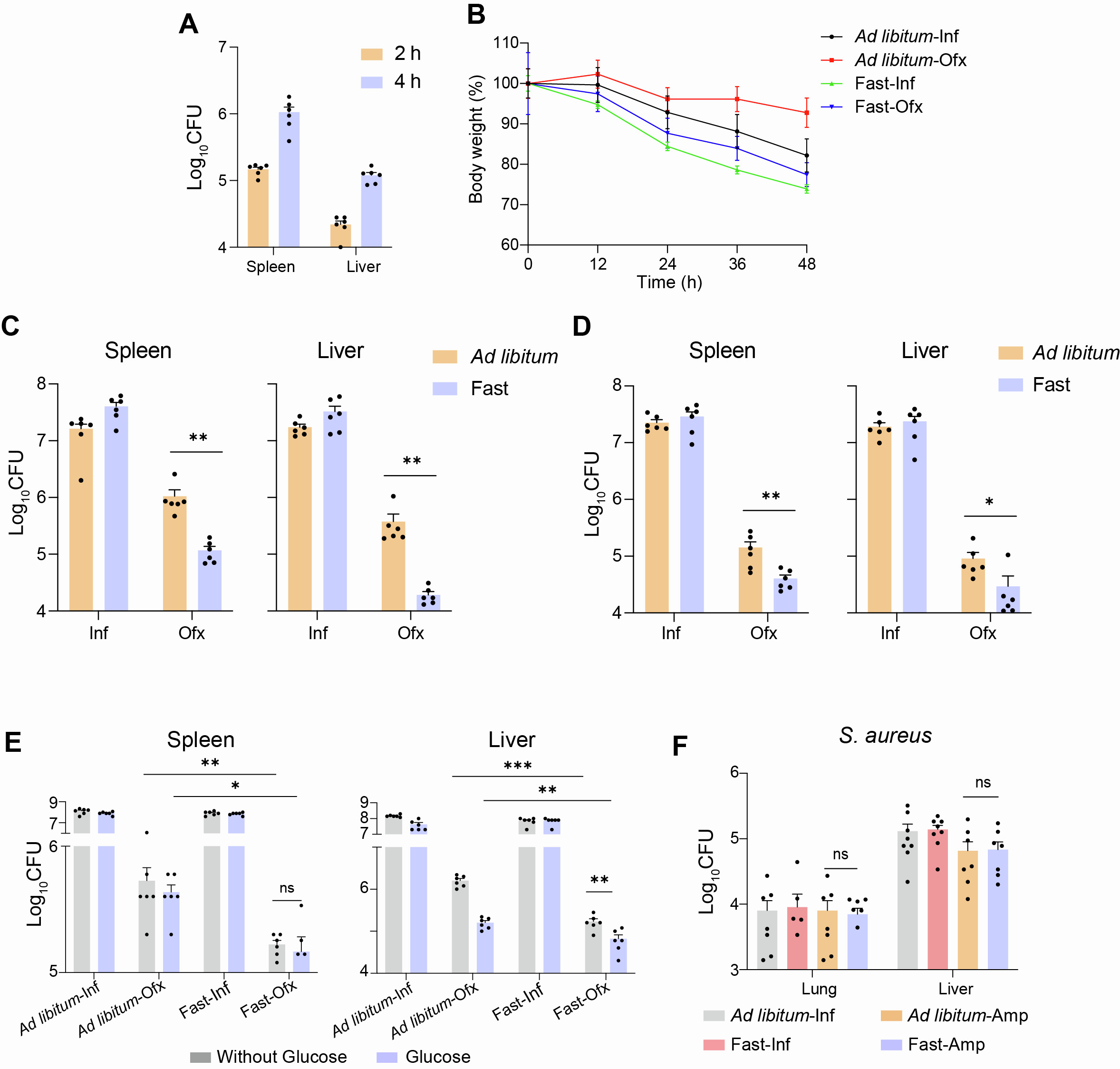
1. The Real Story: Survival & Clearance
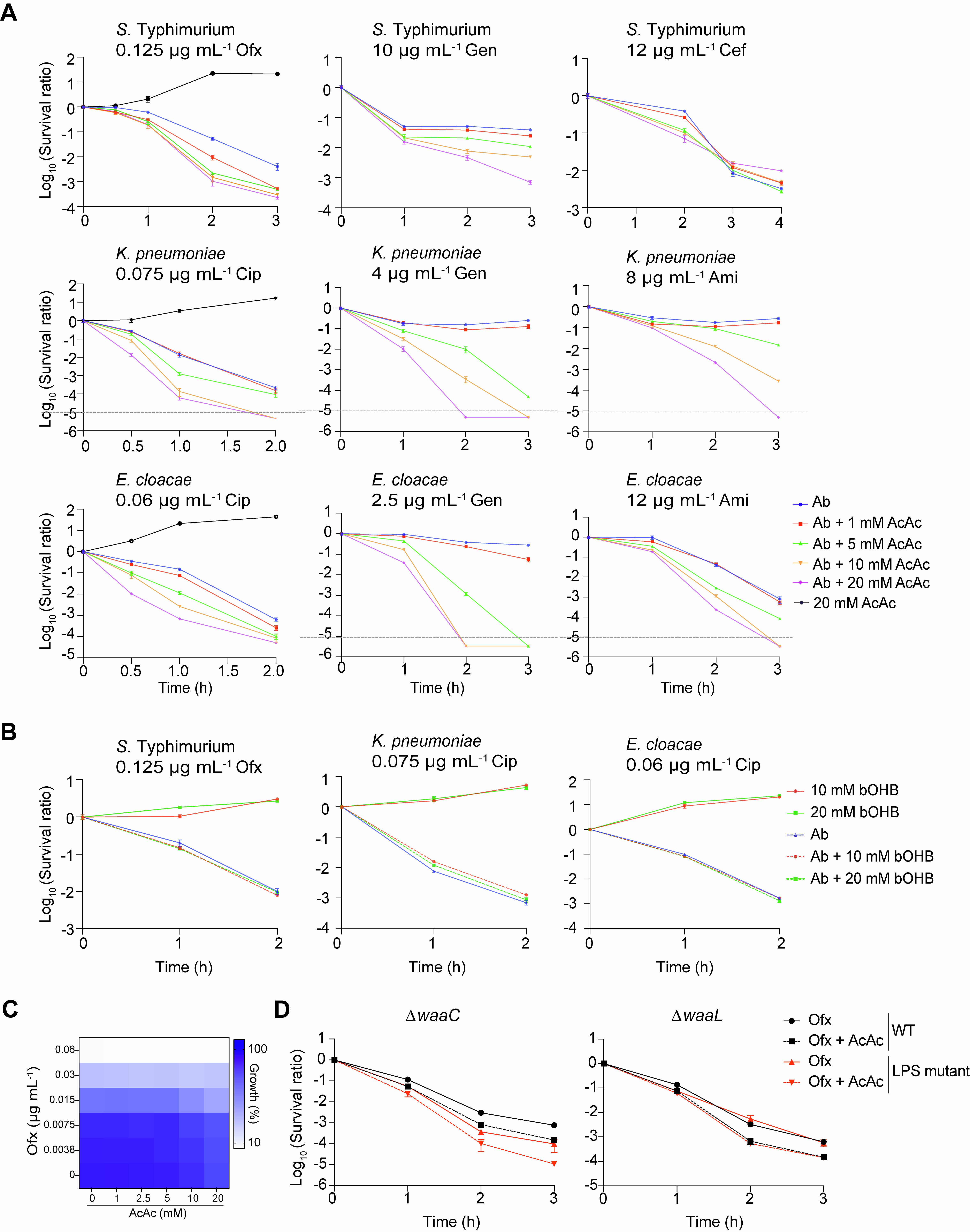
2. The Molecular Switch: Acetoacetate Specificity
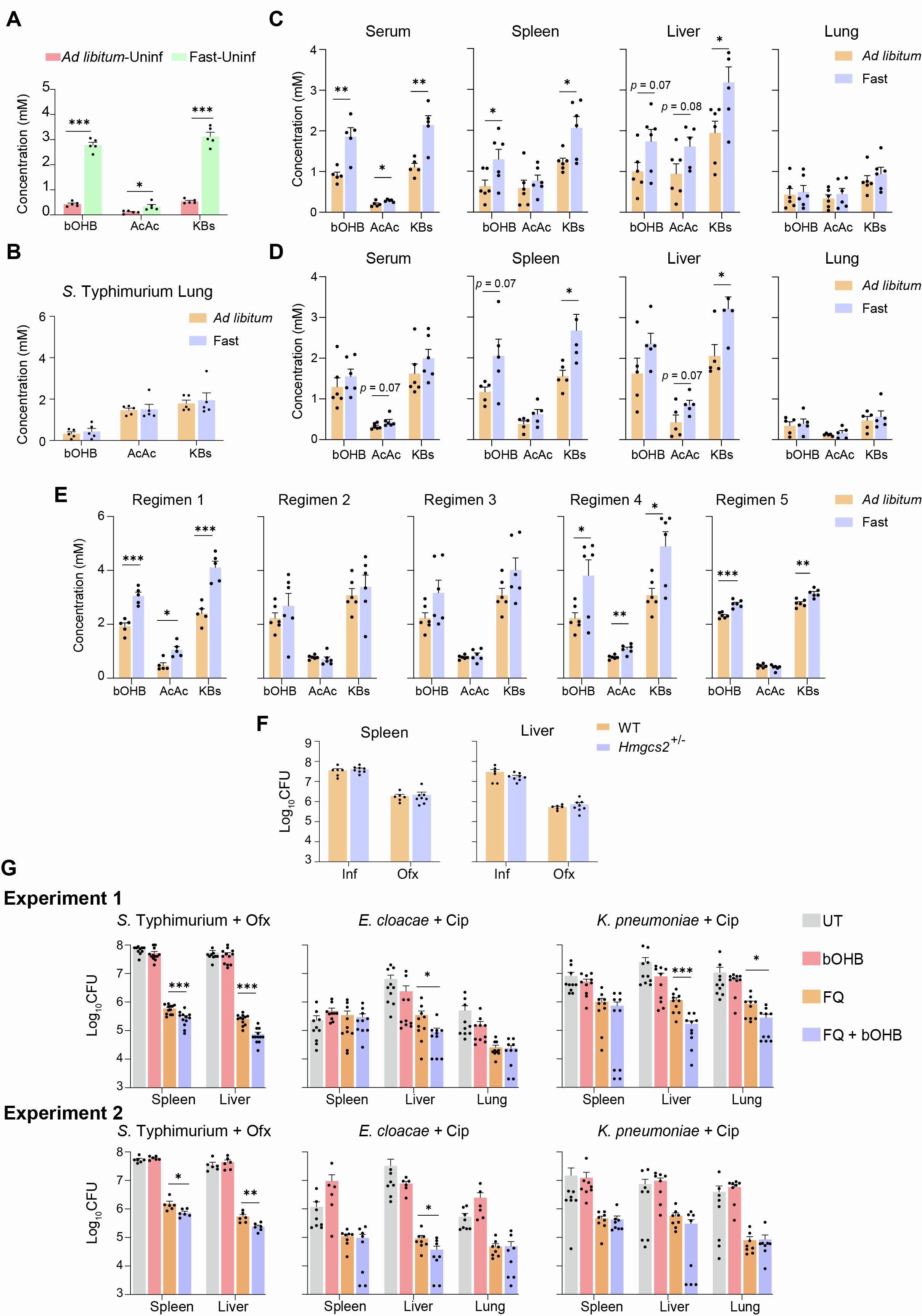
3. Deep Tissue Eradication
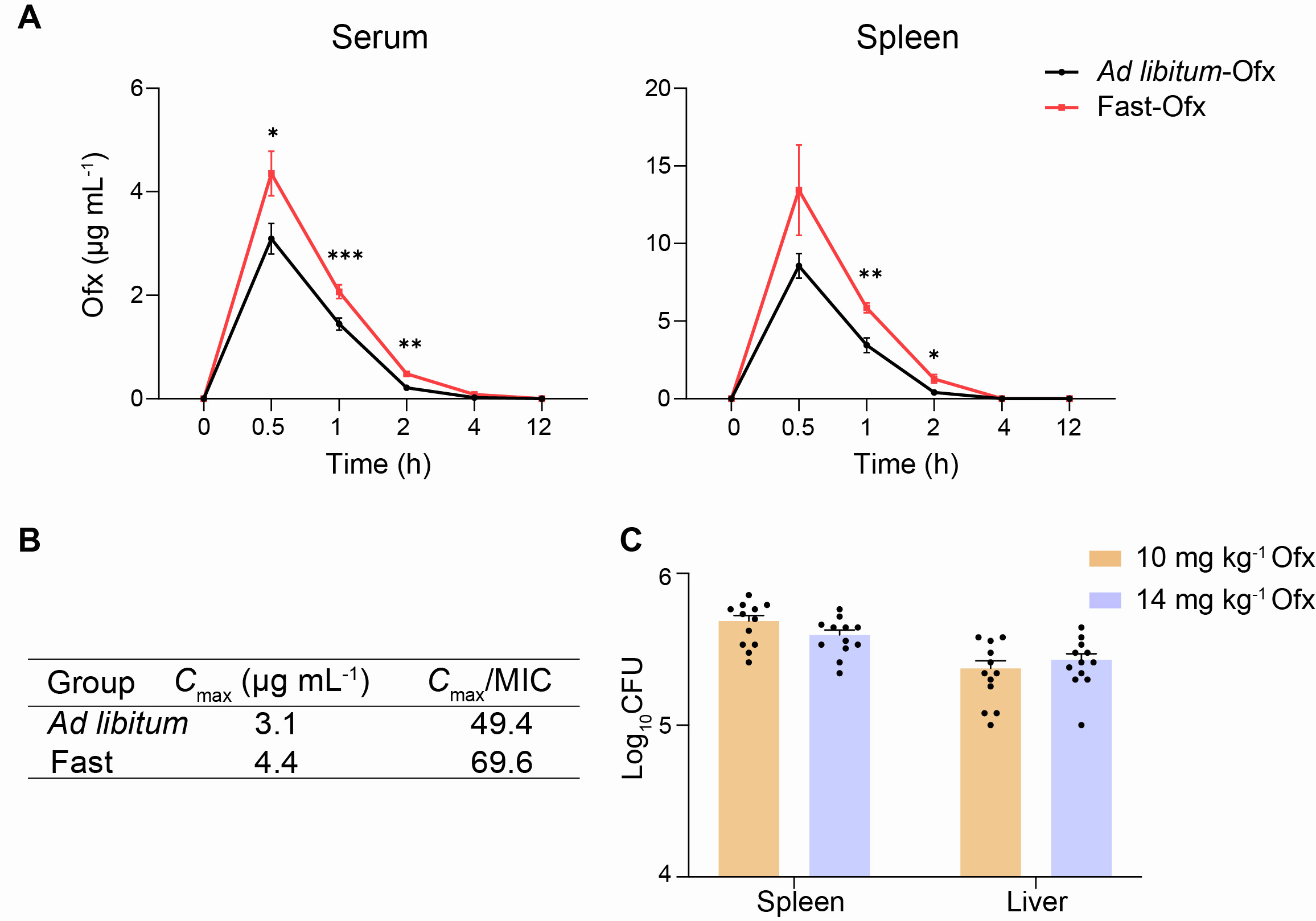
4. Enhanced Delivery
SNV-901 Translation: These data demonstrate that acetoacetate—not BHB—is the effector
molecule. SNV-901 directly delivers acetoacetate via oral administration, bypassing the need for fasting
while achieving the same antibiotic potentiation in Gram-negative sepsis.
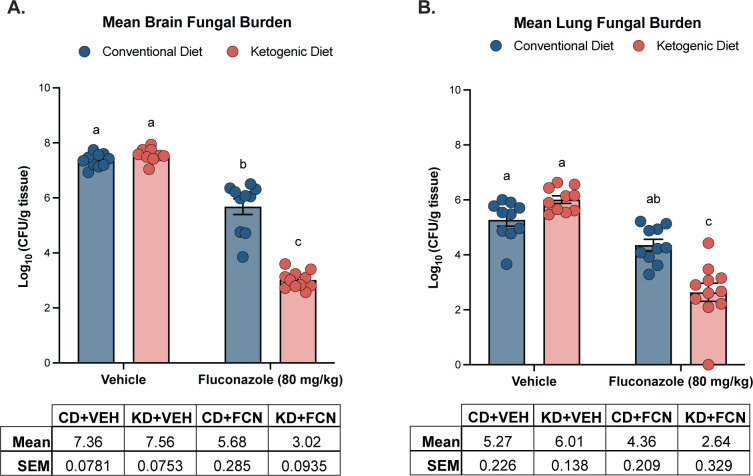
Visual Evidence: Antifungal Potentiation
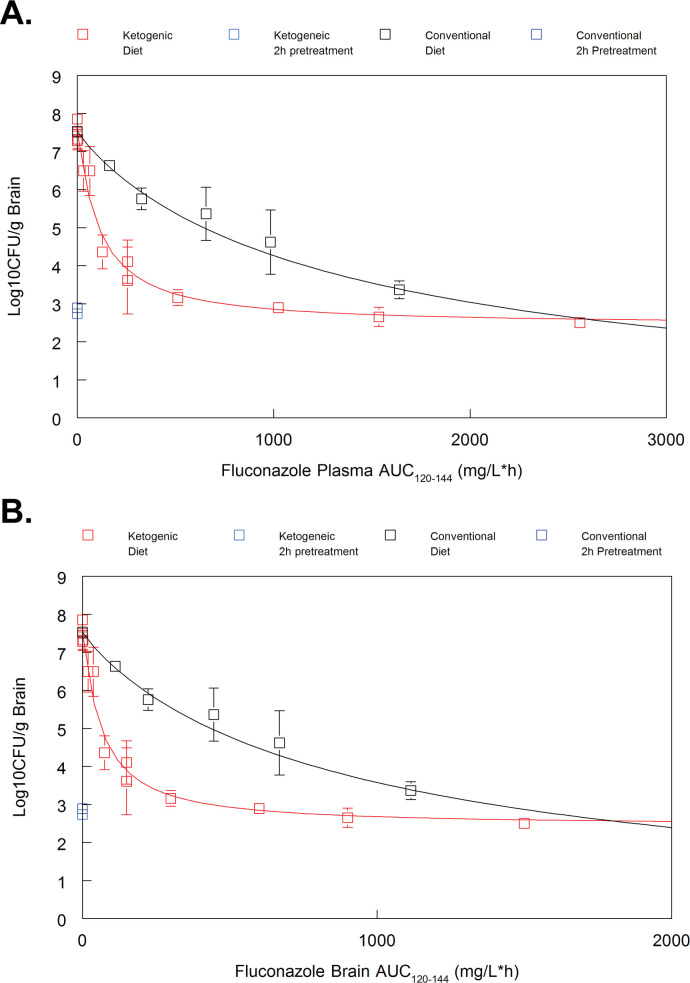
Ketogenic Diet Potentiates Fluconazole Efficacy Strong
Cryptococcus neoformans: Brain burden reduced 2.66
log₁₀;
Lung burden reduced 1.72 log₁₀ with KD + fluconazole vs fluconazole alone
Candida albicans: Kidney burden reduced ~2.37 log₁₀ with KD +
fluconazole
PK/PD shift: Higher fluconazole concentrations in plasma and brain
tissue;
efficacy at lower drug exposure
Palmucci J.R. et al., mBio 2024 | PMC11077957 | PMID: 38619236
Visual Evidence: Viral ARDS Protection
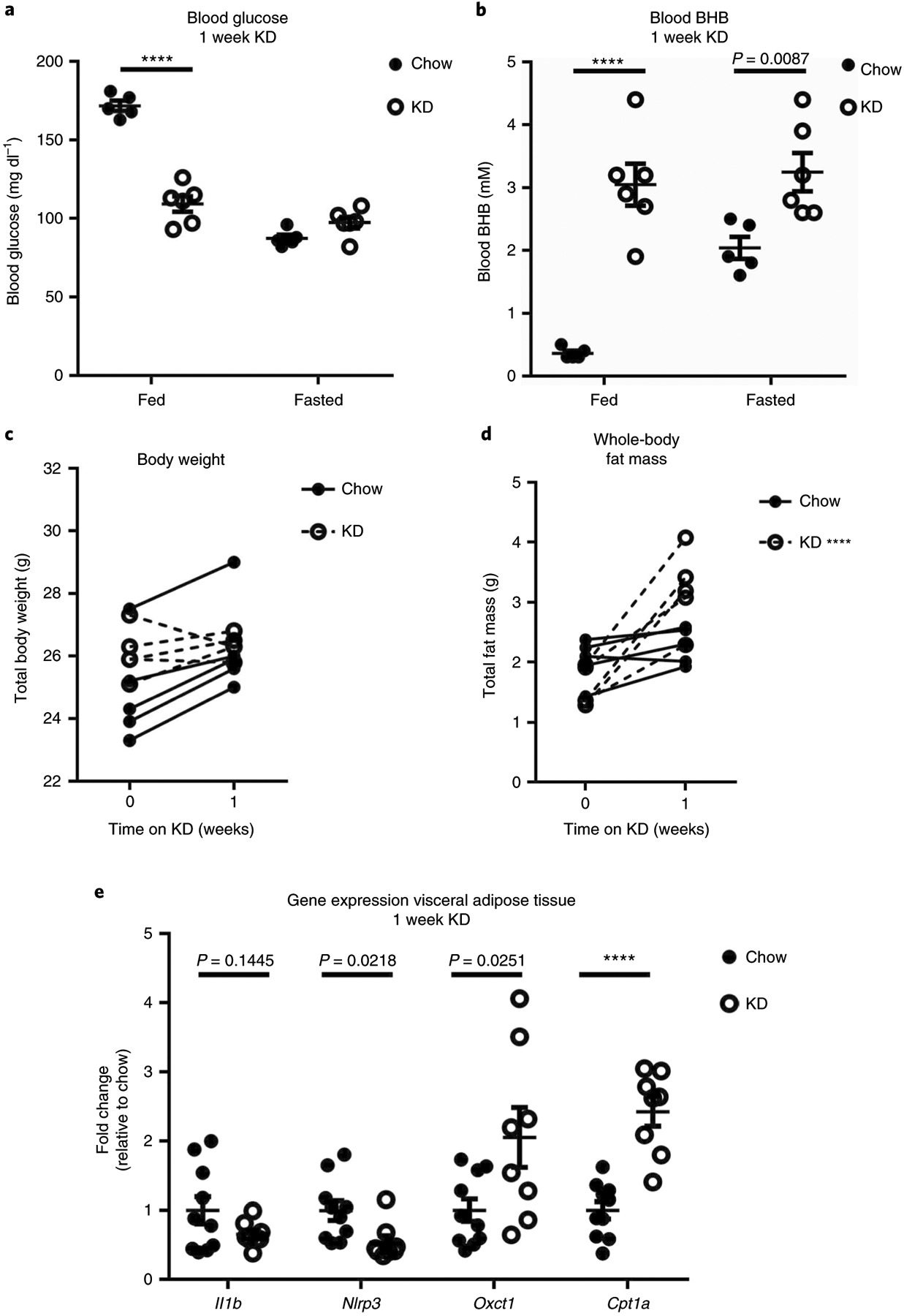
γδ T Cells Activated by Ketogenic Diet Protect Against Influenza Landmark
Mechanism: Ketogenic diet expands protective γδ T cells in visceral
adipose tissue and lung
Outcome: Improved survival in lethal influenza infection models
Metabolic basis: Diet-induced ketogenesis activates PPARγ → γδ T cell
expansion → enhanced mucosal immunity
Goldberg E.L. et al., Science Immunology 2020 | PMC10150608 | PMID: 32694683
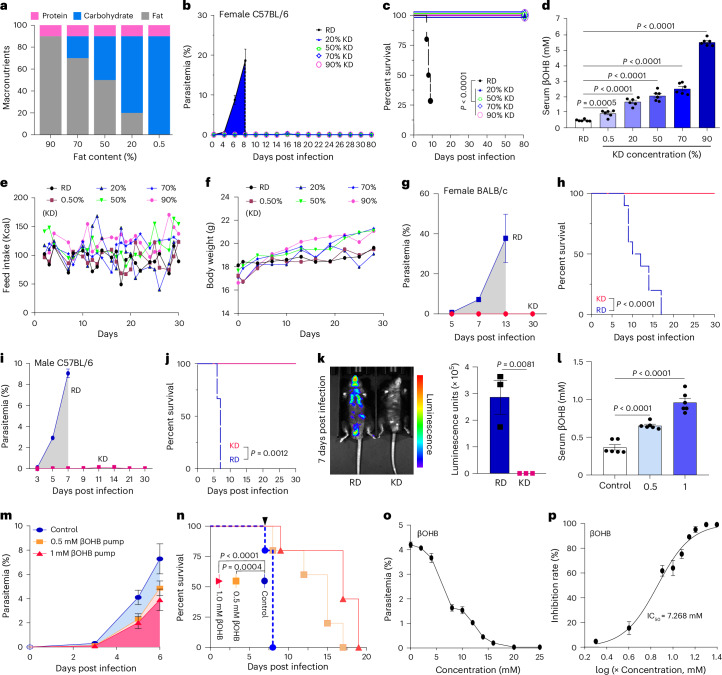
Visual Evidence: Malaria Parasite Inhibition
Malaria Protection in Ketogenic Diet Mice Landmark
Complete protection in murine P. berghei model: Mice on ketogenic diet showed complete protection from P.
berghei malaria infection (Wei 2025, PMID: 40410577); human translation under investigation
Dose-dependent survival: Higher fat KD (70-90%) dramatically improved
survival vs. regular diet (P < 0.0001)
BHB supplementation: 0.5–1 mM BHB via osmotic pump
significantly
reduced parasitemia and extended survival (P = 0.0004)
In vitro IC₅₀: BHB directly inhibits P. falciparum development
(IC₅₀ = 7.27 mM in vitro; note: protective in vivo effects achieved at lower systemic levels
via
KD)
Wei Z. et al., Nature Metabolism 2025 | PMC12286851 | PMID: 40410577
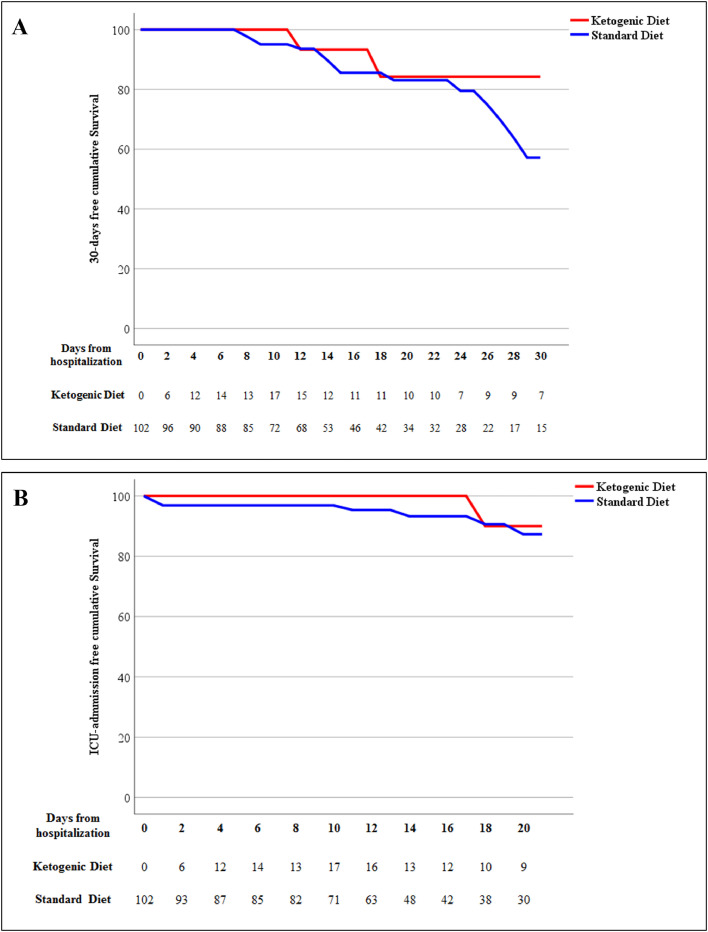
Visual Evidence: COVID-19 Clinical Benefit
Ketogenic Nutrition Improves COVID-19 Outcomes Clinical
Design: Retrospective propensity-matched analysis (n=102: 34 KD,
68
standard diet)
Survival benefit: Statistically significant improvement in 30-day
survival (KD ~85% vs standard diet ~58%, P = 0.046)
ICU reduction: Significant reduction in ICU admission (P = 0.049)
IL-6 trend: Near-significant reduction in interleukin-6 (P =
0.062),
consistent with NLRP3 inhibition mechanism
Safety: No adverse events observed; diet was safe and feasible
Sukkar S.G. et al., Nutrition 2021 | PMC7937042 | PMID: 33895559
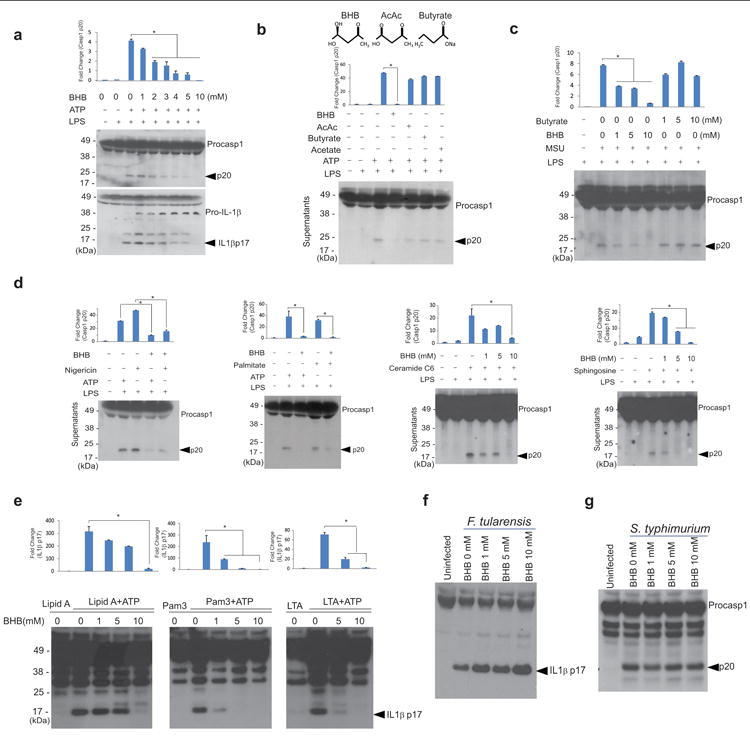
Visual Evidence: NLRP3 Inflammasome Inhibition
BHB Blocks NLRP3 Inflammasome-Mediated Inflammatory Disease Landmark
Threshold: BHB inhibits NLRP3 at 1-10 mM (dose-dependent,
achievable
with SNV-901)
Specificity: Blocks both ATP and nigericin-induced activation;
does
not affect other inflammasomes
Mechanism: Prevents K⁺ efflux and ASC oligomerization
Youm Y.H. et al., Nature Medicine 2015 | PMC4352123 | PMID: 25686106
Clinical Feasibility: Human Proof-of-Concept
Ketogenic Diet in Septic ICU Patients RCT
Design: Single-center open-label RCT (n=40) in sepsis patients
Primary outcome: Stable ketosis achieved in all KD patients
BHB elevation: Mean difference of ~1.4 mM vs controls—within the
therapeutic range for target engagement
Safety: No major adverse events (no harmful acidosis, dysglycemia,
or
dyslipidemia signals)
Insulin: After day 4, none of the KD patients required insulin vs
35–60% of controls (P=0.009)
Exploratory: Trends toward more ICU-free, ventilator-free,
vasopressor-free, and dialysis-free days in KD group
Rahmel T. et al. Sci Transl Med. 2024;16(755):eadn9285. PMID: 38985853
Translation to SNV-901: This trial demonstrates that raising ketone body levels to
therapeutic thresholds in septic ICU patients is feasible and safe. SNV-901 provides a pharmaceutical
alternative to dietary intervention, enabling predictable, titratable acetoacetate exposure. For ICU
patients, enteral (NG tube) administration is compatible with critical care protocols.
Rationale for Exogenous Ketones Over Dietary Intervention
While the ketogenic diet provides proof-of-concept for ketone-mediated efficacy, pharmaceutical ketone
delivery offers distinct advantages for drug development. The following evidence demonstrates that
exogenous ketone administration achieves equivalent or superior outcomes compared to dietary ketosis,
while offering critical benefits in safety, tolerability, and clinical feasibility.
Exogenous Ketone Esters Prolong Survival More Than Dietary Ketosis Key
Study
Model: VM-M3 metastatic cancer in mice (systemic disease model)
Comparison: Ketone ester supplementation vs 1,3-butanediol vs
standard diet
Result: Ketone ester prolonged survival by 69%;
1,3-butanediol prolonged survival by 51%
Mechanism: Ketone supplementation decreased tumor cell
proliferation and viability even in the presence of high glucose—confirming efficacy
independent of systemic carbohydrate restriction
Implication: Exogenous ketones can be administered with a normal
diet, eliminating the need for demanding dietary restriction
Poff A.M. et al. Int J Cancer. 2014;135(7):1711-20. PMID: 24615175
Ketone Ester on Standard Diet Achieves Anti-Metastatic Effects 2024
Design: Orthotopic breast (4T1-Luc) and renal (Renca-Luc)
carcinoma models
Intervention: Exogenous ketone ester-supplemented (eKET),
carbohydrate-replete diet
Outcome: Inhibited primary tumor growth and lung metastasis in
both models
Safety: Overall safety demonstrated by body composition analysis
Key insight: The restrictive composition of ketogenic diets
diminishes patient adherence; ketone esters circumvent this limitation while preserving therapeutic
effect
Shoffler C.A. et al. Cancers. 2024;16(19):3260. PMID: 39410010
Ketone Ester Outperforms Intermittent Fasting in Colitis Head-to-Head
Design: DSS-induced chronic colitis in rats—direct comparison of
ketone ester (R,R)-BD-AcAc2 vs intermittent fasting
Result: Only ketone ester improved disease activity,
macroscopic/microscopic colon features, inflammation scores, and survival rate
Mechanism: KE inhibited NFκB and NLRP3 inflammasome activation,
reduced proinflammatory cytokines, enhanced autophagy
Conclusion: Exogenous ketone ester achieved therapeutic benefit
where intermittent fasting did not
Saber S. et al. Pharmaceuticals. 2023;16(7):953. PMID: 37513865
| Attribute |
Ketogenic Diet |
Exogenous Ketone (SNV-901) |
| Efficacy |
Demonstrated in preclinical and clinical |
Equivalent or superior (PMID 24615175, 37513865) |
| Patient adherence |
Poor (restrictive, difficult to maintain) |
Good (standard diet permissible) |
| Dose precision |
Variable (depends on individual metabolism) |
Titratable, predictable PK |
| Long-term safety |
Concerns: kidney stones, dyslipidemia, bone loss |
No chronic dietary restriction side effects |
| ICU feasibility |
Requires specialized nutrition team |
NG tube compatible, standard ICU workflow |
| Regulatory path |
Medical nutrition (weaker claims) |
NCE drug approval (full indication claims) |
| IP protection |
None (diet cannot be patented) |
Novel chemical entity + method of use |
Global Health Security Thesis: SNV-901 is the first Host-Directed Metabolic
Effector designed to secure the antibiotic commons. By decoupling efficacy from bacterial
target evolution, it offers a "resistance-orthogonal" countermeasure against future pandemics—whether
viral, bacterial, or fungal.
Mechanism Thresholds & Engagement
| Mechanism |
Target |
In Vitro Threshold |
Projected Human Engagement (<2mM)< /th>
| Outcome |
| Membrane Permeabilization |
Gram-Neg Outer Membrane |
2.5–5 mM
2-fold MIC drop at
2.5mM |
Engaged (~2.0 mM Tissue Mean)
Cui
2025 confirmed in vivo efficacy at these levels. |
Antibiotic Potentiation |
| NLRP3 Inhibition |
Macrophage Inflammasome |
~1-2 mM |
Fully Engaged (>1.0 mM)
Gold
standard anti-inflammatory threshold. |
Prevents Cytokine Storm |
| T-Cell Rescue |
Mitochondrial Respiration |
~0.5 mM |
Fully Engaged (>0.5 mM)
Restores
bioenergetics in exhausted T-cells. |
Viral/Tumor Clearance |
| Parasite Arrest |
P. falciparum Development |
~0.5-2 mM |
Engaged (>0.7 mM)
Wei 2025: Complete protection in murine P. berghei model at physiologic KD levels; human translation under investigation. |
Malaria Protection |
⚠️ Key Development Risks & Mitigations
- MDR isolate validation: Cui model used wild-type strains; repeat synergy assays
with clinical MDR isolates
- AcAc PK in humans: Confirm prodrug delivers target acetoacetate exposure in Ph1
PK
study
- NLRP3 engagement: BHB-mediated effect; validate with ex vivo cytokine panels
- Chronic infection context: Acute sepsis is lead indication; chronic airway
infections require separate evaluation
- Malaria translation: In vitro IC₅₀ (7.27 mM) is high, but in vivo KD protection
achieved at lower systemic BHB; mechanism may involve parasite developmental arrest + host
factors
Quantifying the Global Health Opportunity
The value of SNV-901 extends beyond individual patient outcomes to the preservation of global health
security. By restoring the efficacy of the antibiotic commons, we arrest the projected economic and
human catastrophe of AMR.
1.27M
Direct AMR Deaths/Year (Murray et al. 2022)
11.0M
Sepsis Deaths/Year (Rudd et al. 2020)
249M
Malaria Cases (WHO 2024 Report)
$100T
Cumulative Cost of AMR by 2050 (O'Neill 2016)
Societal Value: The "Antibiotic Commons"
The Problem: Obsolescence
The "Antibiotic Commons" is depleting. New chemical entitles
(NCEs) are scarce and expensive ($2B+ to develop). Relying solely on new bactericidal agents
is a losing race against evolution.
The Solution: Restoration
As a Host-Directed Metabolic Effector, SNV-901
bypasses resistance to potentially restore the utility of generic carbapenems and colistin.
This protects the commons, providing a scalable, low-cost countermeasure for LMIC health
equity.
Acceleration for Global Security
A Workplan for Rapid Countermeasure Deployment
The Catalyst Ask: ~$45M to advance a scalable, oral sepsis countermeasure from Preclinical to
Phase 2a Proof-of-Concept. Cost per QALY rescued is negligible.
| Workpackage |
Activities |
Go/No-Go Gate |
WP1: MDR Validation
(6-9 Months) |
Panel of 50-100 clinical MDR/XDR isolates (CRE, CRAB). Time-kill curves. |
GATE 1: >4-fold MIC shift in 50% of resistant panel. |
WP2: IND-Enabling
(9-12 Months) |
GLP Toxicology, CMC Scale-up, DDI (Antibiotic PK interaction study). |
GATE 2: Clean safety margin (>5x target exposure). |
WP3: Phase 1
(12-18 Months) |
SAD/MAD in healthy volunteers. Pharmacodynamic biomarker confirmation. |
GATE 3: Human PK meets 0.5-1.0 mM target window. |
Key References
Landmark Evidence: Antibiotic/Antimicrobial Potentiation
- Cui S. et al. Fasting-induced ketogenesis sensitizes Gram-negative bacteria to
antibiotic treatment. Cell Metab. 2025;37(7):1482–1498.e6. PMID: 40315854
- Palmucci J.R. et al. Ketogenic diet potentiates fluconazole efficacy in systemic
fungal
infection. mBio 2024. PMID: 38619236
- Wei Z. et al. β-hydroxybutyrate inhibits Plasmodium falciparum development.
Nature
Metabolism 2025. PMID: 40410577
Viral Host Defense
- Goldberg E.L. et al. Ketogenesis activates metabolically protective γδ T cells in
influenza. Science Immunology 2020. PMID: 32694683
- Karagiannis F. et al. Impaired ketogenesis ties metabolism to T cell dysfunction in
COVID-19. Cell 2022. PMID: 35901960
- Sukkar S.G. et al. Clinical efficacy of eucaloric ketogenic nutrition in COVID-19.
Nutrition 2021. PMID: 33895559
Host Immune Modulation
- Youm Y.H. et al. The ketone metabolite β-hydroxybutyrate blocks NLRP3
inflammasome-mediated inflammatory disease. Nat Med. 2015;21(3):263–269. PMID: 25686106
- Tomlinson K.L. et al. Ketogenesis promotes tolerance to Pseudomonas aeruginosa
pulmonary infection. mBio 2023. PMID: 37793346
- Defoirdt T. et al. 3-hydroxybutyrate as virulence-inhibitory metabolite. Sci
Rep. 2018. PMID: 29740008
Clinical Feasibility
- Rahmel T. et al. Ketogenic diet induces stable ketosis in septic ICU patients.
Sci
Transl Med. 2024;16(755):eadn9285. PMID: 38985853
Host Metabolic Mechanisms
- Huang C. et al. 3-Hydroxybutyrate ameliorates sepsis-associated acute lung injury by promoting autophagy through the activation of GPR109a in macrophages. Biochem Pharmacol. 2023;213:115632. PMID: 37263300
- Horne CR. et al. Acetoacetate and β-hydroxybutyrate as novel inhibitors of bacterial biofilm formation. Environ Microbiol. 2018;20(7):2702-2711. PMID: 29341217
AMR Burden
- Murray C.J.L. et al. Global burden of bacterial antimicrobial resistance in 2019: a
systematic analysis. The Lancet. 2022;399(10325):629–655. PMID: 35045184 (1.27M direct AMR deaths)
- WHO. WHO Bacterial Priority Pathogens List (BPPL) 2024.
- O'Neill J. et al. Tackling Drug-Resistant Infections Globally: Final Report and
Recommendations. Review on Antimicrobial Resistance. 2016.
- CDC. Antibiotic Resistance Threats in the United States, 2019. U.S. Department of
Health and Human Services. 2019.
- Rudd K.E. et al. Global, regional, and national sepsis incidence and mortality,
1990–2017: analysis for the Global Burden of Disease Study. Lancet. 2020;395(10219):200-211. PMID: 32059551
The Ask
Strategic partner for antibiotic adjunct proof-of-concept study
2025 Cell Metabolism landmark (Cui et al.) validates ketone-AMR mechanism. 1,333 papers analyzed in corpus.
joel@senoviabiosciences.com