SNV-701: The "Oral Biologic"
Addressing Durability & Ceiling Effects in Autoimmune Disease
Senovia Biosciences, Inc.
Scientific Brief | v18 (Enhanced Evidence)
Executive Summary
Durable response in autoimmune disease remains limited: many patients require dose escalation, switching, or
discontinue advanced therapies over time. Secondary loss of response and need for dose escalation are well
documented in UC (e.g., Savelkoul et al., PMID: 36318229). SNV-701 is an oral prodrug
designed to induce a state of therapeutic ketosis (target: 1.5–3.0 mM D-βHB)—a metabolic
state associated with multi-node immunomodulation. Unlike biologics that block single downstream cytokines,
SNV-701 is designed to engage multiple validated immunometabolic targets simultaneously. Preclinical
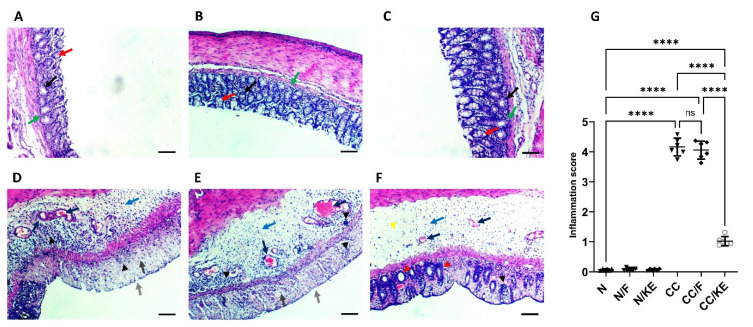
evidence demonstrates that ketogenic interventions can promote rapid functional improvement in preclinical EAE models even when initiated after symptom onset (PMID: 36937529), and that direct ketone ester
administration outperforms intermittent fasting in chronic colitis models (PMID: 37513865). A 2025
systematic review of ketogenic diet in MS reports consistent improvements across fatigue, depression, QoL,
and objective neurological measures (PMID: 40951210).
Evidence Context
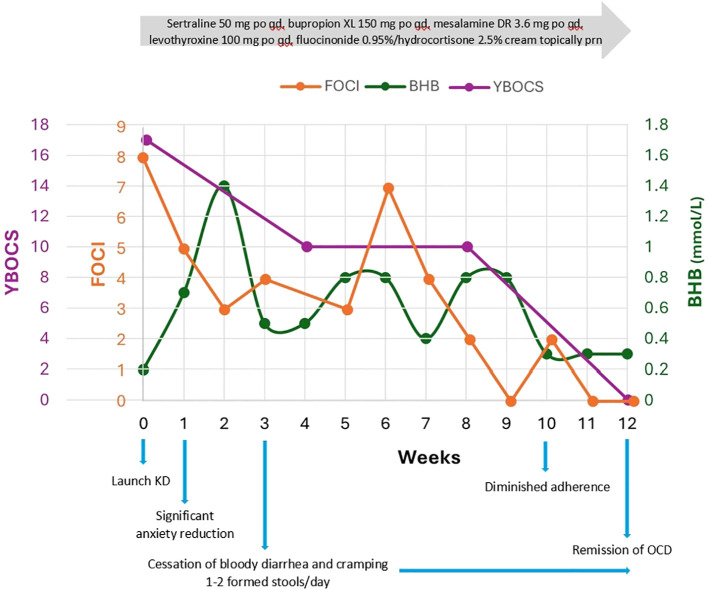
Human evidence: 1 case report (UC + OCD remission, PMID: 40248603)
Preclinical: Robust EAE/colitis model data across multiple groups
Status: Mechanistic rationale supports IND-enabling studies. No clinical trials of SNV-701 have been completed.
Asset Snapshot
| Stage |
IND-Enabling |
| Modality |
Oral prodrug / Metabolic immunology state inducer |
| Proposed PD Biomarker |
Blood D-β-hydroxybutyrate (D-βHB) |
| Target Ketosis Range |
1.5–3.0 mM (hypothesized therapeutic range; to be validated per indication) |
| Lead Indications |
Primary: Ulcerative Colitis, Crohn's Disease
Follow-on:
Multiple Sclerosis, Autoimmune Uveitis |
| Key Differentiators |
Sustained exposure, multi-node immunomodulation, oral convenience, potential combination with
biologics |
| Partner Ask |
License / Co-development / Regional rights → IND completion + Phase 1b/2 |
1. The Unmet Need: Durability & Ceiling Effects
The Challenge
Even best-in-class modalities leave the majority of patients short of deep endoscopic endpoints, and
durability remains a persistent challenge. Across mechanisms (TNF, IL-12/23, JAK), a significant proportion
of patients do not achieve or sustain remission.
Endoscopic Improvement at Induction in UC (Mayo Endoscopic Subscore ≤1; Trial Definitions Vary)
2. Development Rationale: Mechanistic Evidence
We prioritized studies with direct ketogenic interventions; confounding remains possible. Below are selected
high-impact findings across human and preclinical studies.
Human
Clinical Evidence
UC + OCD: Complete Remission (Case Report)
"First clinical application of a ketogenic diet... resulting in complete
remission of OCD (Y-BOCS = 0), clinical remission of UC. Symptoms improved inversely with oscillating
βHB levels."
2025 | PMID: 40248603
MS: Systematic Review (6 Studies, 2017–2024)
"Consistent benefits: improved fatigue, depression, sleep, QoL; microbiome normalization;
reduced pro-inflammatory markers; some objective neurological improvements (EDSS, walking, dexterity)."
2025 Systematic Review | PMID: 40951210
MS: Microbiome Normalization Over Time on KD
"MS patients showed reduced microbial diversity. During KD: initial drop, then by ~6
months, bacterial concentrations increased to levels indistinguishable from healthy
controls."
2017 | PMID: 28702003
Preclinical: IBD / Colitis
Ketone Ester Beats Intermittent Fasting (Head-to-Head)
"Ketone ester (R,R)-BD-AcAc2 significantly improved disease activity and
inflammatory features in chronic colitis; intermittent fasting did not. βHB
approximately doubled and remained elevated."
2023 | PMID: 37513865
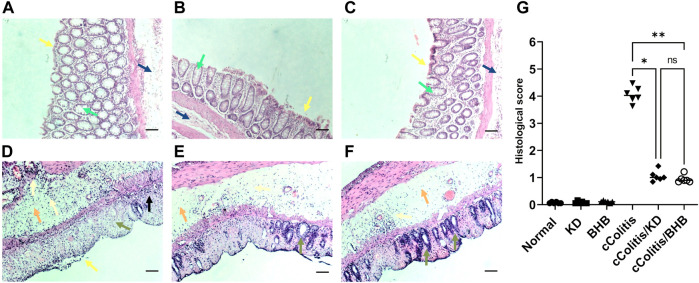
Exogenous βHB → NLRP3 Inhibition → Colitis Improvement
"Exogenous βHB reduced clinical disease signs and improved histologic inflammation.
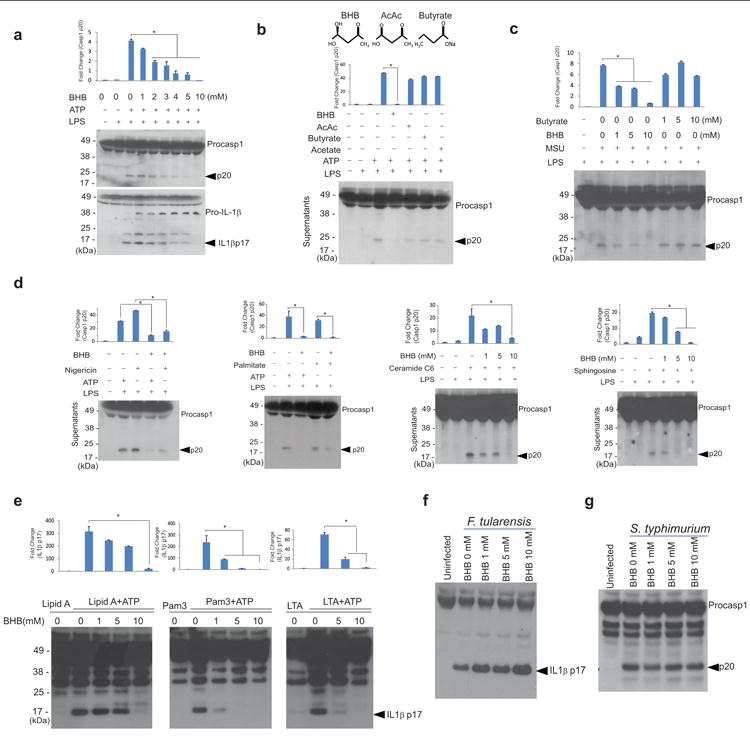
Mechanistically: βHB inhibited NLRP3 inflammasome activation and pyroptosis, enhanced
autophagy, and restored intestinal barrier function."
2023 | PMID: 37841914
Crohn's Model: BHB-Driven Treg Expansion
"Intermittent ketogenic diet promotes Treg differentiation and
alleviates Crohn's disease via the β-hydroxybutyrate axis"
2026 | J Crohns Colitis | DOI: 10.1093/ecco-jcc/jjag003
Preclinical: MS / EAE
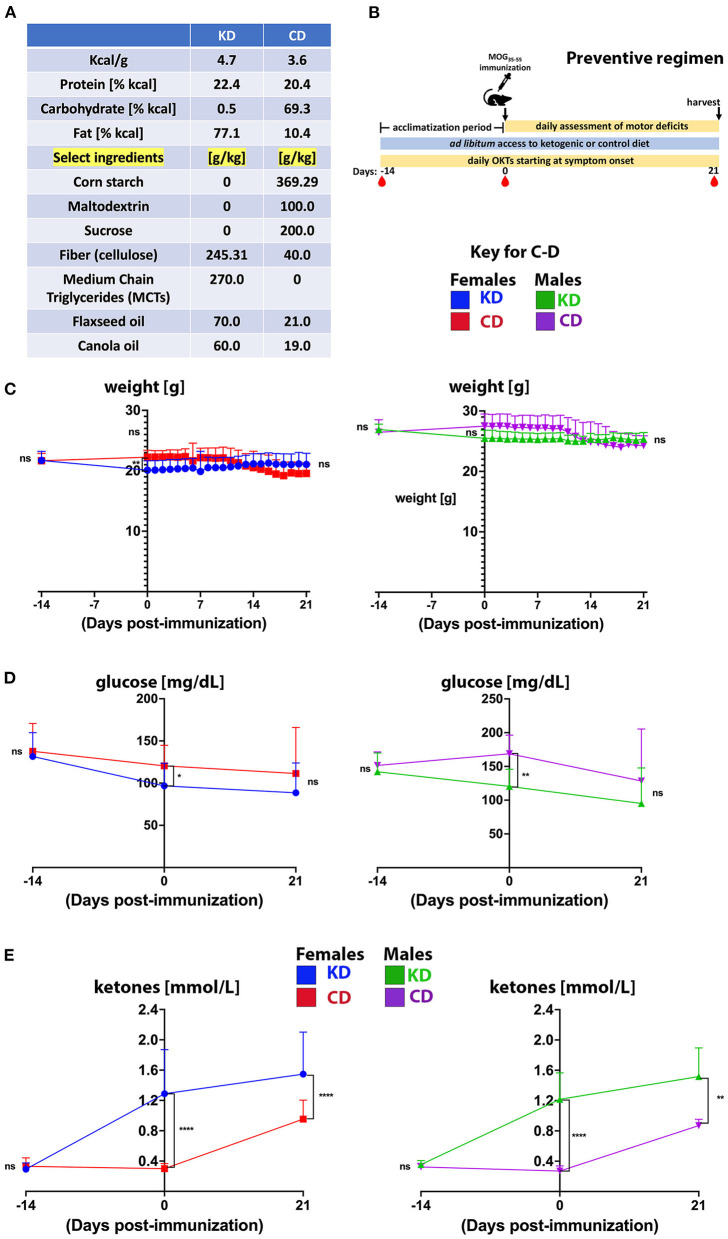
EAE: Rapid Functional Improvement After Symptom Onset
"KD prevented motor deficits and preserved vision. In an interventional regimen
(after symptom onset), the diet promoted rapid functional improvement in preclinical EAE models of motor and visual function."
2023 | PMID: 36937529
EAE: MCT-KD Suppresses Th1/Th17
"A High MCT-Based Ketogenic Diet suppresses Th1/Th17 responses to
ameliorate EAE"
2024 | PMID: 38054637
Autoimmune Uveitis: Amelioration
"Ketogenic diet modulates immune cell landscape and ameliorates
experimental autoimmune uveitis"
2024 | PMID: 39627787
Mechanistic Validation
GPR109A Knockout Reduces Pathologic T-Cell Activity
"GPR109A deficiency in alloreactive T cells led to less GVHD, tied to
impaired mitochondrial oxidative phosphorylation and increased apoptosis. Effects reversible with NAC."
2021 | PMID: 34653248
NLRP3 Inflammasome Inhibition
"Ketogenic diet attenuates neuroinflammation by inhibiting NLRP3 via
HDAC3"
2025 | PMID: 40421817
Microglia Phenotype Shift
"BHB induces anti-inflammatory ramification of microglia via HDAC
inhibition"
2018 | PMID: 29058362
3. The Delivery Challenge
Achieving sustained therapeutic ketosis (>1.5 mM) has historically been difficult outside of strict dietary
regimens:
MCT Oil & Ketone Salts
In healthy adults given 0.5 g/kg MCT oil, median plasma BHB rose to ~0.35–0.47 mM over ~2–4 h (Heidt et
al., 2023; PMID: 36904147). Higher peaks may occur with different dosing/feeding states; GI tolerance
can be limiting. Ketone salts face mineral load and tolerability constraints at higher doses (Stubbs et
al., PMID: 29163194).
First-Generation Ketone Esters
Can achieve multi-mM ketosis but may present palatability and GI tolerability challenges depending on
chemistry and dose (Stubbs et al., PMID: 29163194). Not designed for chronic daily dosing.
4. SNV-701: Design Rationale
SNV-701 is designed to reliably achieve sustained therapeutic ketosis (1.5–3.0 mM D-βHB) via an oral prodrug
approach, aiming to unlock the immunomodulatory potential of ketone bodies with drug-like dosing convenience.
Daily Ketone Exposure Comparison (Illustrative)
SNV-701
35–50 mM·h (projected; external validation pending)
5. Putative Mechanism Engagement
SNV-701 is designed to achieve ketone concentrations associated with engagement of multiple validated
immunometabolic nodes. Threshold-dependent engagement is a key hypothesis. The GPR109A/HCAR2 receptor—the same
receptor linked to the pleiotropic actions of dimethyl fumarate (MS drug; PMID: 34084164)—is a direct BHB
target.
| Mechanism |
Engagement Range / Evidence |
MCT (~0.4 mM) |
SNV-701 Target (2–3 mM) |
GPR109A (HCAR2)
Anti-inflammatory receptor; direct ligand binding
|
EC50 ~0.7 mM (Taggart, PMID: 15929991); knockout reduces pathologic T-cell activity (PMID: 34653248)
|
Partial |
Full Activation (projected) |
NLRP3 Inflammasome
IL-1β release inhibition; pathway modulation
|
Inhibition observed 1–10 mM in vitro (Youm, PMID: 25686106) |
None |
Inhibition (projected) |
HDAC Class I
Epigenetic regulation; enzymatic inhibition |
IC50 ~2–5 mM (Shimazu, PMID: 23223453) |
None |
Active (projected) |
M2 Macrophage Polarization
Anti-inflammatory / tissue repair |
STAT6-dependent; observed with exogenous BHB (PMID: 37841914) |
Minimal |
Expected |
Treg Expansion / Th17 Suppression
Immune tolerance |
Observed with ketogenic interventions (KD/MCT-KD); BHB implicated; concentration–effect relationship
TBD |
Minimal |
Expected |
NF-κB Modulation
Master inflammation pathway |
Observed with ketogenic interventions; concentration–effect relationship TBD |
None |
Expected |
6. Competitive Positioning
SNV-701 is designed to offer a differentiated mode of action—metabolic restoration rather than
immunosuppression—with oral convenience.
| Attribute |
Humira (Anti-TNF) |
Rinvoq (JAK) |
SNV-701 |
| Targets |
1 |
2–3 |
Multiple Nodes |
| Route |
Injection |
Oral Pill |
Oral Liquid |
| Safety |
Infection Risk |
BLACK BOX |
Favorable rationale (endogenous metabolite); clinical safety TBD |
| Mechanism |
Suppression |
Suppression |
Restoration |
| Cost/Year |
High (biologics) |
High (advanced oral) |
Target TBD |
Caveats & Translation
Most clinical evidence to date comes from ketogenic dietary interventions, not
SNV-701 directly. Diet-induced ketosis and drug-induced ketosis differ in kinetics and consistency. SNV-701
is designed to reproduce the relevant exposure (time-above-threshold) with improved adherence and precision.
Clinical validation is required to confirm efficacy and safety in target indications.
What We Can Share Under CDA
- Internal PK/AUC methodology and species data
- Preclinical safety and tolerability summary
- In vivo efficacy model results (if completed) or planned studies
- CMC / formulation status
- IP position and freedom-to-operate assessment
- Detailed clinical development plan and regulatory strategy
Partner Opportunity
SNV-701 is IND-enabling. We are seeking a
strategic partner (License / Co-Dev / Regional Rights) to complete IND and initiate Phase 1b/2
proof-of-concept studies.
8. Key References
Audited peer-reviewed publications cited in this brief.
- Loss of Response (UC): Savelkoul et al. Secondary loss of response to anti-TNF therapy
in UC. 2022. PMID: 36318229
- ULTRA 2 (Adalimumab UC): Sandborn et al. Adalimumab induces and maintains clinical
remission in UC. Gastroenterology 2012. PMID: 22062358
- UNIFI (Ustekinumab UC): Sands et al. Ustekinumab as induction and maintenance therapy
for UC. NEJM 2019. PMID: 31553833
- U-ACHIEVE/U-ACCOMPLISH (Upadacitinib UC): Danese et al. Upadacitinib as induction and
maintenance therapy for UC. Lancet 2022. PMID: 35644166
- INSPIRE (Risankizumab UC): Risankizumab as induction therapy for moderately to severely
active UC. JAMA 2024. PMID: 39037800
- UC + OCD Case: Remission of OCD and ulcerative colitis with a ketogenic diet.
2025. PMID: 40248603
- MS KD Systematic Review: Ketogenic diet in MS management. 2025. PMID: 40951210
- MS Microbiome Normalization: MS colonic microbiome reduced diversity; improves over
time on KD. 2017. PMID: 28702003
- Ketone Ester vs IF (Colitis): Ketone ester mitigates chronic colitis; IF did not.
2023. PMID: 37513865
- βHB/NLRP3 (Colitis): Exogenous βHB improves chronic colitis via NLRP3 inhibition,
anti-pyroptosis, and enhanced autophagy. 2023. PMID: 37841914
- EAE Recovery (Interventional): KD promotes rapid functional improvement of motor and
visual function after EAE onset in preclinical models. 2023. PMID: 36937529
- Crohn's / Treg / BHB: Intermittent ketogenic diet promotes Treg differentiation... via
β-hydroxybutyrate. J Crohns Colitis 2026. DOI: 10.1093/ecco-jcc/jjag003 (PMID pending)
- EAE / MCT-KD: A High MCT-Based Ketogenic Diet... Ameliorate EAE. 2024. PMID:
38054637
- Uveitis: Ketogenic diet... ameliorates experimental autoimmune uveitis. 2024.
PMID: 39627787
- NLRP3 / HDAC3: Ketogenic diet attenuates... inhibiting NLRP3 inflammasome activation
via HDAC3. 2025. PMID: 40421817
- Microglia / BHB: β-hydroxybutyrate induces anti-inflammatory ramification of
microglia. 2018. PMID: 29058362
- GPR109A / HCAR2 (Ligand): Taggart et al. D-β-Hydroxybutyrate inhibits adipocyte
lipolysis via PUMA-G/GPR109A. 2005. PMID: 15929991
- GPR109A / GVHD: GPR109A-deficient alloreactive T cells cause less GVHD. 2021.
PMID: 34653248
- HCAR2 / DMF Bridge: HCAR2 receptor linked to dimethyl fumarate in MS. 2021. PMID:
34084164
- NLRP3 Inhibition (Youm): Youm et al. The ketone metabolite β-hydroxybutyrate blocks
NLRP3 inflammasome. Nat Med 2015. PMID: 25686106
- HDAC Inhibition (Shimazu): Shimazu et al. Suppression of oxidative stress by
β-hydroxybutyrate via HDAC inhibition. Science 2013. PMID: 23223453
- MCT Oil Ketosis: Heidt et al. Effect of MCT oil on blood ketone levels in healthy
adults. Nutrients 2023. PMID: 36904147
- Exogenous Ketone PK: Stubbs et al. On the metabolism of exogenous ketones in
humans. Front Physiol 2017. PMID: 29163194
- GPR109A and Macrophage Polarization: Ang Z et al. GPR109A and GPR109B receptor activation lowers cholesterol and drives an anti-inflammatory program in macrophages. PLoS One. 2012;7(10):e47286. PMID: 23882124
The Ask
Co-development partner for IBD proof-of-concept study
3,876 papers analyzed. NLRP3 inflammasome mechanism validated (Youm 2015, Nature Medicine).
joel@senoviabiosciences.com